Port Labuha
- North Maluku


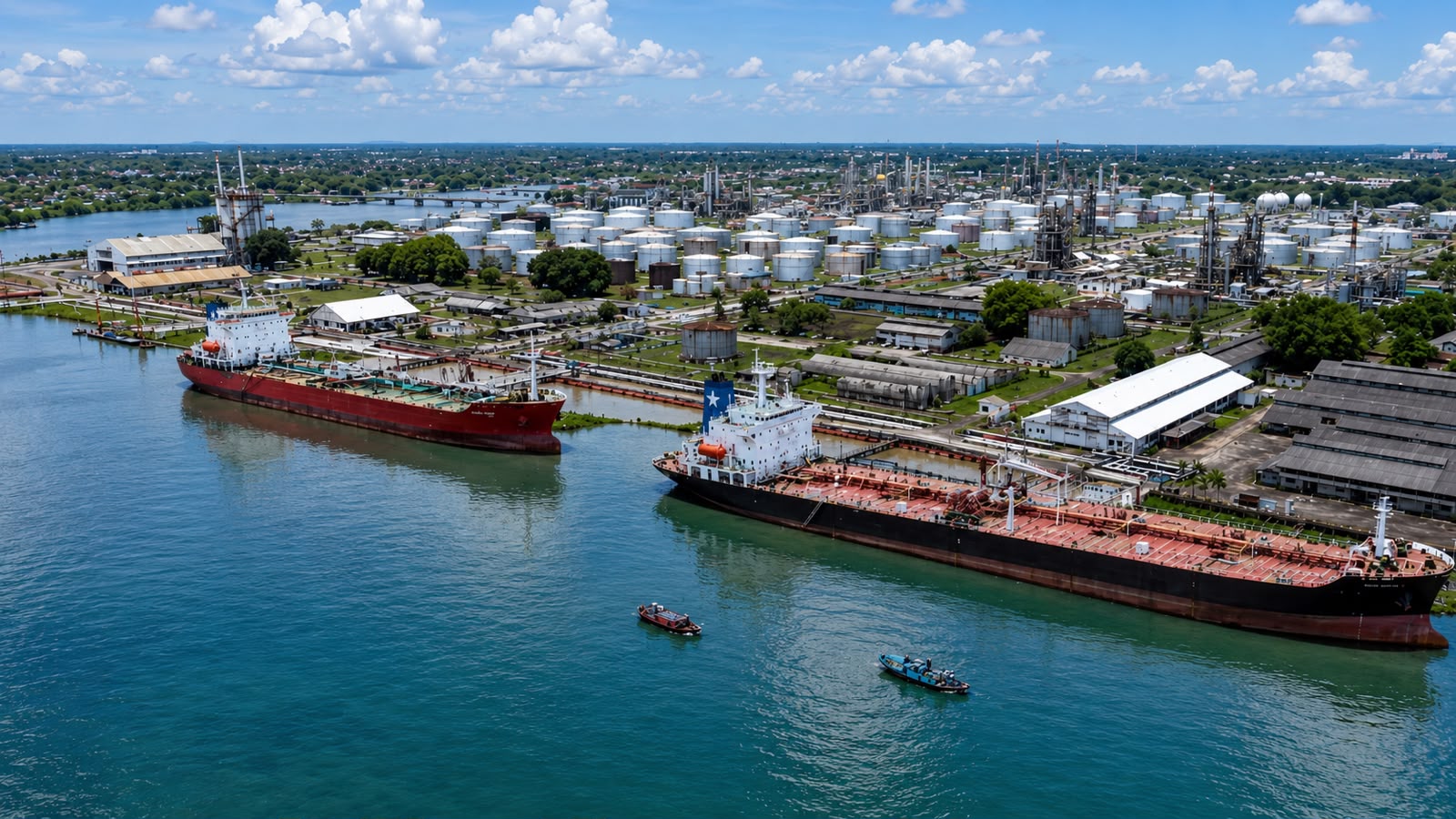
PT Kilang Pertamina Internasional TUKS Refinery Unit III Plaju – Sei Gerong is an Oil & Gas terminal located in Palembang, South Sumatra.


PT Kilang Pertamina Internasional TUKS Refinery Unit III Plaju – Sei Gerong.

15 Jetty, 12 Docks

24 Hours Operation

Min/Max 900 - 18.000 DWT, Min/Max LOA 50 - 160 m, Max Safe Draft 5,3 m LWS

WIB (UTC +7)
Plaju Port – Sei Gerong is a special terminal owned by PT Kilang Pertamina Internasional Refinery Unit III located in the Musi River area, Palembang. This terminal can support loading and unloading and bunkering activities of various energy products.
Cargo Handling & Transfer Equipment:
Marine & Support Facilities:
Safety, Health, & Environmental Systems:
Hinterland & Intermodal Transportation Access:
Cargo Handled:
All personnel in the terminal area are required to use PPE according to regulations, including safety helmets, safety shoes, coveralls, life jackets, safety glasses, and hand gloves.
Every vessel carrying out loading, unloading, or bunkering activities is required to meet terminal safety requirements, including inspection by a Pertamina Marine Inspector and completion of the Ship/Shore Safety Checklist before operations begin.
Smoking is prohibited on all terminal property, except in areas specifically designated by the terminal. Activities that could potentially cause fire or environmental pollution are prohibited. All crew members are required to comply with energy terminal safety procedures. Vessels carrying hazardous cargo are required to complete documentation in accordance with applicable regulations.
All cargo transfer activities must be conducted with pollution prevention in mind. Terminals have procedures for oil spill response, shutting down operations in the event of a spill, reporting incidents, and obtaining terminal approval before resuming transfer activities.
Operational communications are conducted between the ship's PIC and the terminal PIC via radio/agreed-upon communication device. Communications must be available throughout the transfer, including emergency stop signals and coordination during the operation.
Vessels are required to comply with pilotage procedures, mooring arrangements, and terminal safety regulations. Vessels must always be ready to operate in an emergency and are not permitted to immobilize while docked at the terminal.