Port Pulau Baai
- Bengkulu City, Bengkulu Province


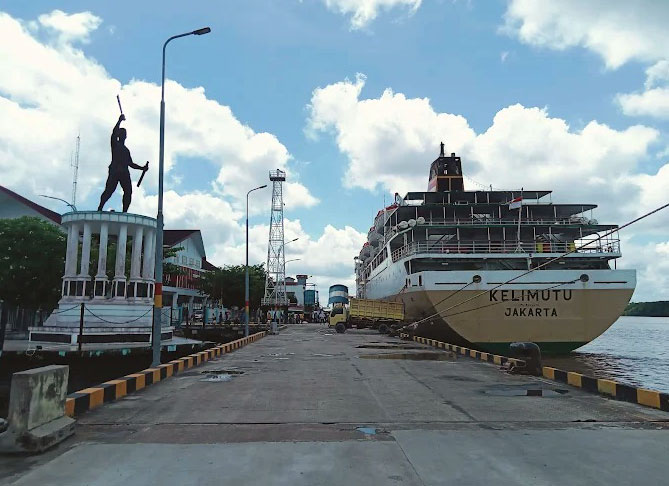
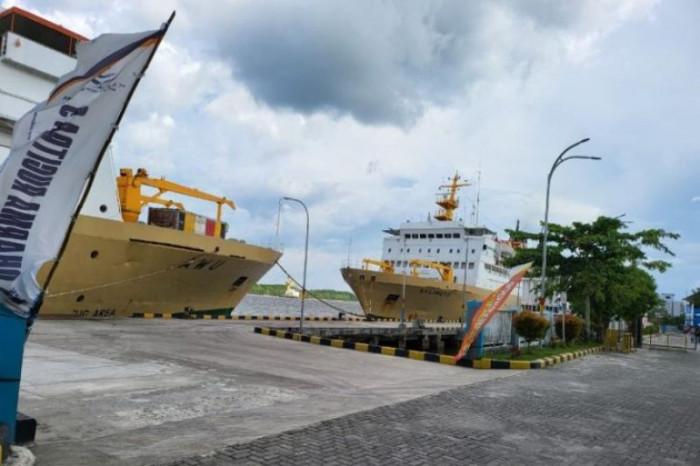
"The Pertamina Fuel Terminal Pangkalan Bun is a petroleum fuel distribution terminal managed by PT Pertamina Trans Kontinental. This terminal serves loading and unloading activities for fuel products, including Pertalite, Pertamax, Biosolar, Pertadex, and Avtur, and is capable of facilitating safety, navigation, and operational procedures that refer to Pertamina's HSSE standards.


Pertamina Fuel Terminal Pangkalan Bun

1 Operational Jetties

24 Hours

Max 3.500 DWT, Max LOA 95 meter, Max 6,8 m LWS Sea Depth

UTC +8 (WITA)
Pertamina Fuel Terminal Pangkalan Bun is an energy distribution terminal that functions as a facility for receiving, storing, and distributing various fuel products to meet energy needs in Central Kalimantan and its surrounding areas. This terminal is also equipped with breasting dolphin facilities, mooring dolphins, a product transfer system, as well as safety equipment and marine pollution control. All operational activities are carried out in accordance with Pertamina's HSSE procedures to ensure occupational safety, environmental protection, and smooth energy distribution.
Hose diameter:
Maximum Flow Rate:
Cargo Handled:
All personnel entering the Pangkalan Bun Fuel Terminal area are required to wear a minimum of Personal Protective Equipment (PPE) in the form of a safety helmet, long-sleeved anti-static work clothes, anti-static safety shoes, as well as additional PPE such as eye protection and ear protection if required by Permit to Work (PTW) or safety signs.
Smoking, carrying matches, open flames, and any work that could generate sparks are prohibited throughout the terminal. These activities may only be undertaken with official permission from terminal management.
Before loading and unloading activities begin, ships must undergo inspections including: Cargo document inspection, seal inspection, tank sounding, product density and temperature sampling, storage tank readiness inspection, and ship/shore safety check.
All vessels are required to prevent marine pollution during operations. In the event of an oil spill, operations must be halted, the spill immediately localized using an oil boom, recovered using an oil skimmer, and then cleaned up using oil dispersant in accordance with terminal emergency response procedures.
All operational communications are conducted under the coordination of the Terminal Representative and the Master. During the cargo transfer, communications must remain active to ensure smooth and safe operations.
Vessels are required to use a pilot when docking or undocking. All mooring procedures must follow the instructions of the pilot, terminal representative, and terminal operational regulations.