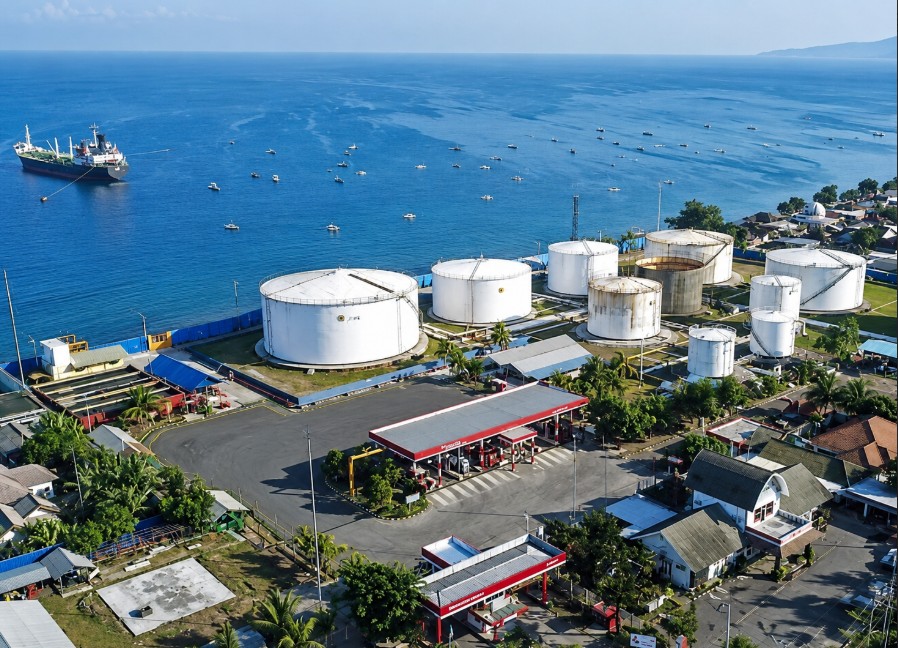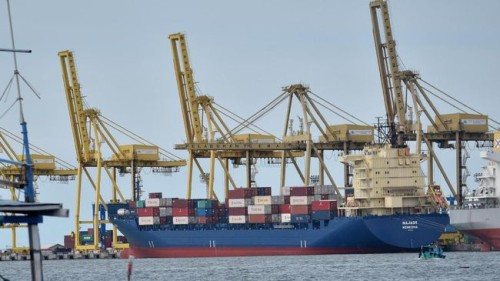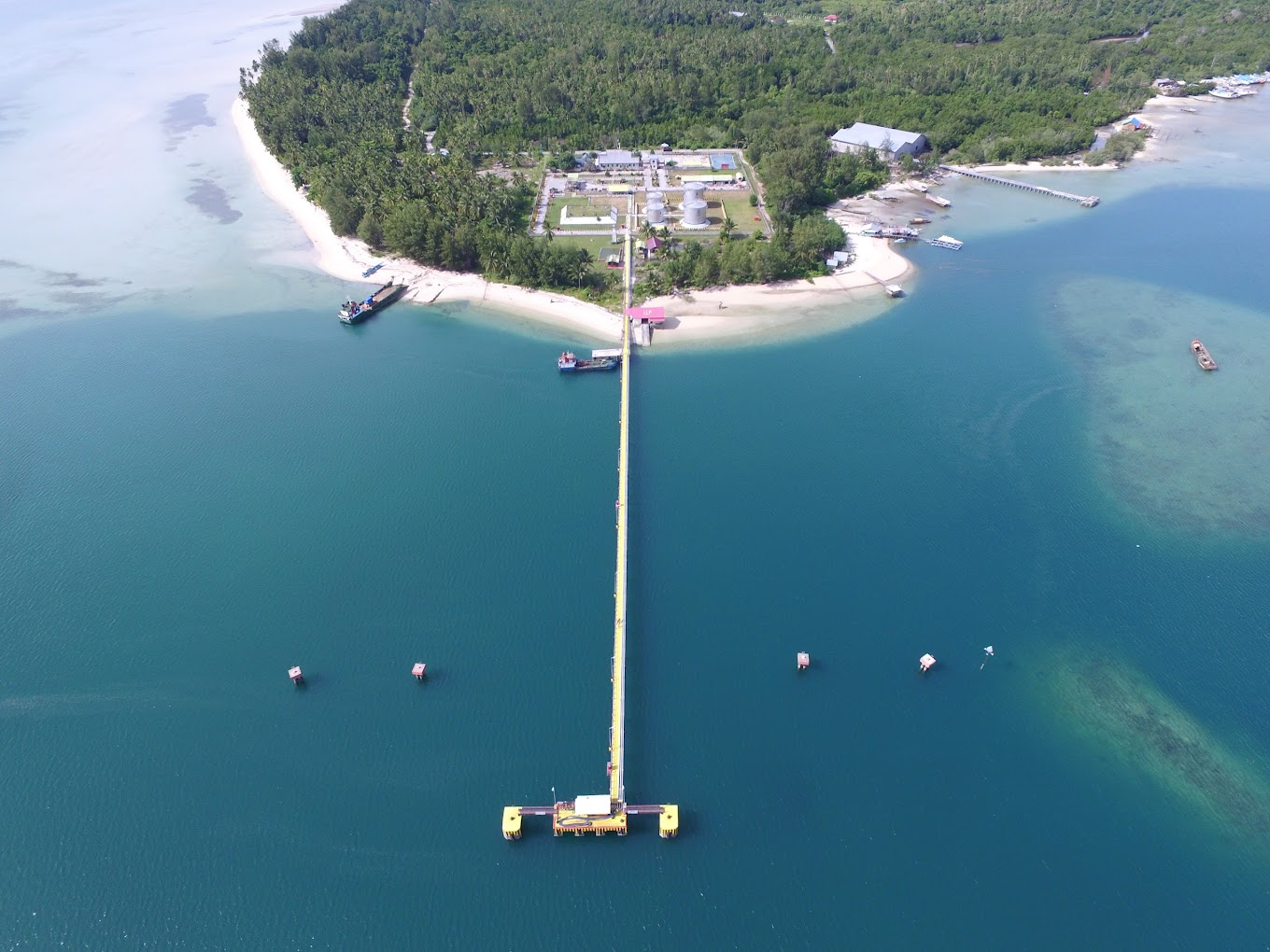
Port Dobo
- Dobo, Maluku (Kepulauan Aru)


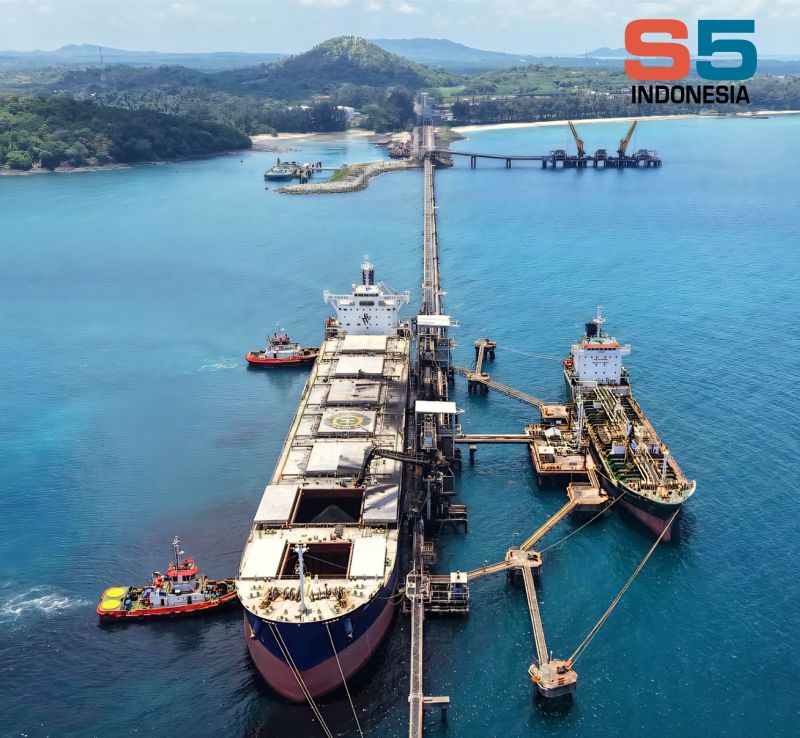
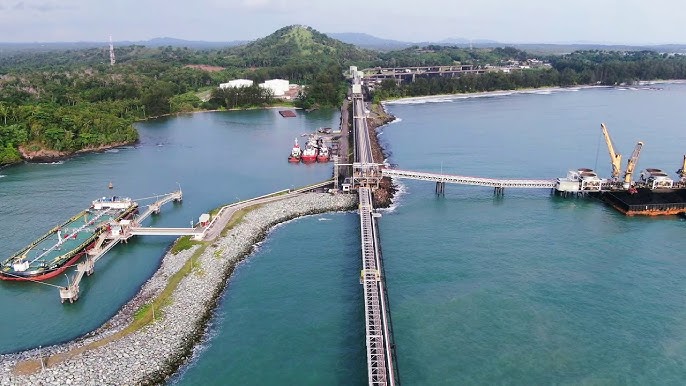
The Pulau Laut Terminal is a petroleum berth operated as a public port to support loading and unloading activities for petroleum products and tanker vessel operations. Located in the southwestern part of Pulau Laut, Kotabaru Regency, South Kalimantan, this terminal serves shipping activities in accordance with the regulations of the Directorate General of Sea Transportation and the Government of the Republic of Indonesia. The terminal also serving domestic and international tanker vessels while complying with international marine safety and environmental standards.


IBT Pulau Laut Terminal (Indonesia Bulk Terminal – Petroleum Berth)

1 Operational Jetties

24 Hours Operation

Max 48,000 DWT, Min/Max LOA : 50 - 193 m

GMT / UTC +8 (Central Indonesia Time / WITA)
IBT Pulau Laut Terminal is a petroleum terminal that serves as a public facility for tanker services and oil product transfers. The terminal implements international ISGOTT standards in all its operations to ensure shipping safety, environmental protection, and loading and unloading efficiency.
Communication Facilities for:
Full PPE (safety helmet, safety shoes, coverall, and life jacket) is mandatory for all ship crew, contractors, and visitors within jetty or terminal areas. Crew members may follow company policy on board, but must comply with terminal rules on land.
Smoking is strictly prohibited across the terminal, jetty, and moored vessels, except in designated areas authorized by the Master and Terminal Representative. Violations may result in immediate shutdown and vessel expulsion.
Vessels must undergo Terminal Safety Inspections, complete the Ship/Shore Safety Checklist, and maintain safety compliance before and during transfer operations. Non-compliance may lead to operational shutdown or expulsion from the berth.
Discharge of oil, waste, dirty ballast, garbage, or hazardous materials into port waters is strictly prohibited in compliance with the Marine Preservation Act. Any spill incident must be reported immediately, and zero-spillage procedures maintained.
Continuous 24-hour communication must be maintained via terminal UHF radio channels with routine functional checks. Alternative communication channels must be agreed upon before transfer operations commence if interference occurs.
Berthing and unberthing are coordinated by the Master, Harbour Pilot, and Terminal Representative, and are suspended if wind speeds exceed operational limits. Mooring lines must be constantly monitored, and the vessel must remain ready to unberth if weather or safety conditions dictate.